
The Policy Balancing Act in Moscow
Under sustained international financial pressure, Russian political and economic authorities are actively refining their policy architecture regarding digital assets. Rather than embracing widespread domestic adoption, state regulators have settled on a dual-track strategy: strictly limiting domestic crypto circulation while institutionalizing large-scale industrial mining and testing regulated cross-border settlement channels. This regulatory calibration occurs during a period of broader market contraction, with the total crypto market capitalization falling 5.52% to $2.59 trillion and Bitcoin trading near $75,723 while maintaining a 58.5% market dominance.
Industrial Mining Infrastructure and Energy Realities
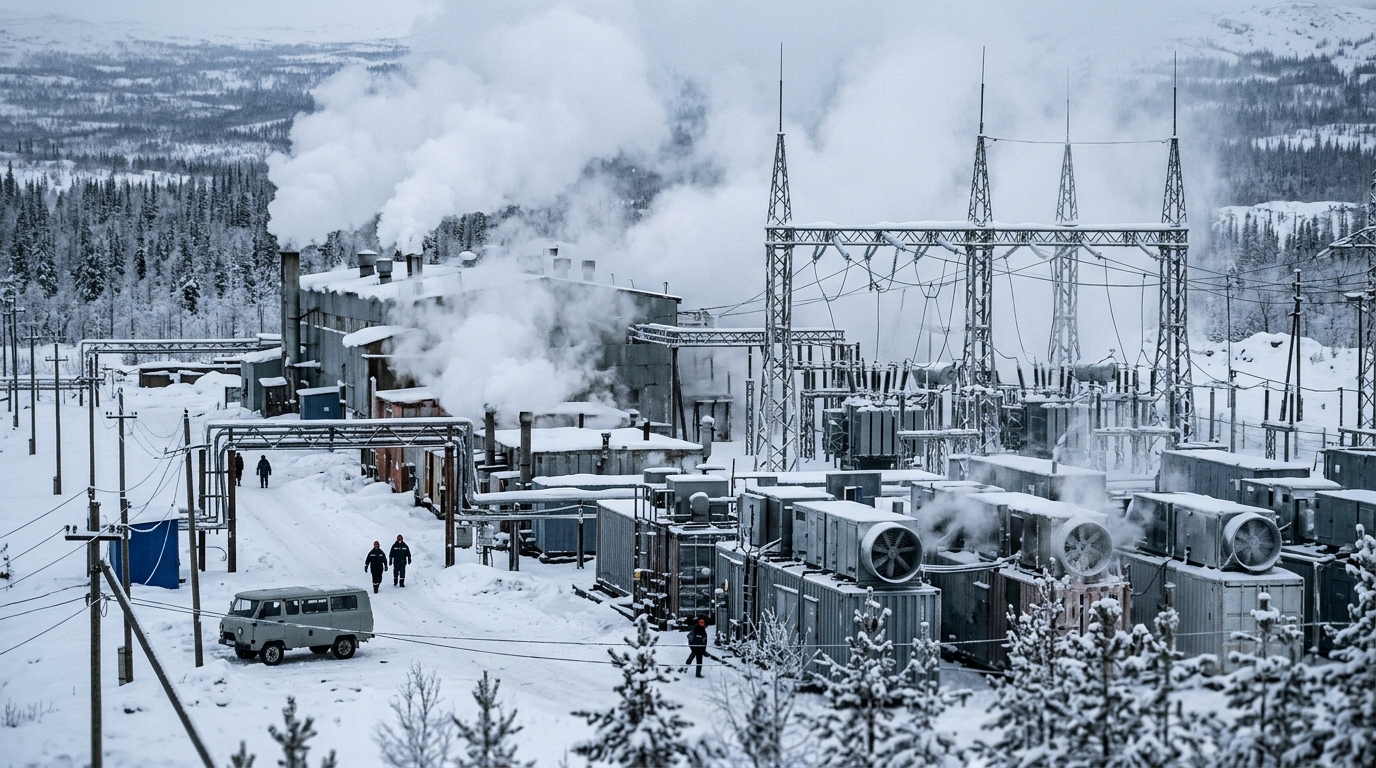
Russia's structural advantage in cryptocurrency mining stems primarily from regional energy surpluses, particularly low-cost hydroelectric facilities in Eastern Siberia. However, state planners face growing tension between industrial-scale data centers and regional electricity grid stability, particularly during peak load seasons.
- Grid Deficit Controls: Federal and regional authorities have moved toward targeted seasonal bans on mining activities in energy-scarce regions to safeguard municipal power supplies.
- Taxation and Mandatory Registries: Enacted legislative frameworks require commercial mining operators to register with state registries and report energy consumption, establishing a formal tax base and regulatory oversight.
- Domestic Currency Protection: While domestic mining is recognized as a legitimate industrial activity, strict legal barriers remain against using mined assets for domestic retail payments inside the country.
Experimental Settlement Frameworks Under Financial Friction
To address persistent friction in international banking channels and correspondent account disruptions, the Bank of Russia and the Ministry of Finance have pursued experimental legal regimes. These specialized regulatory sandboxes allow select financial institutions and foreign trade participants to clear cross-border invoices using digital assets.
The Central Bank of Russia has historically maintained a cautious posture toward decentralized cryptocurrencies, citing risks to monetary sovereignty and systemic stability. However, the pragmatic realities of external commerce have fostered institutional compromise. By restricting crypto-denominated transactions to supervised export-import intermediaries, policymakers seek to streamline trade accounting while mitigating risks of capital flight.
Global Market Dynamics and Liquidity Realities
The integration of Russian mining capacity into international market depth remains a central narrative for institutional analysts. As Bitcoin trades off its historical highs down to $75,723, operational margins for industrial miners worldwide are under pressure. How Russian miners manage operational overhead and liquidity conversion impacts global network hash rate distribution and liquidity flows.
Long-Term Structural Realities
Moscow's evolving framework highlights how economic sanctions can accelerate state-level engagement with public blockchain rails. As lawmakers continue to refine rules surrounding industrial mining registries and export settlement sandboxes, market participants will watch whether these experimental channels provide sustainable commercial liquidity or ultimately encounter the structural friction inherent in bridging permissionless networks with centralized state regulation.