Industrial Mining as a Sovereign Energy Management Tool
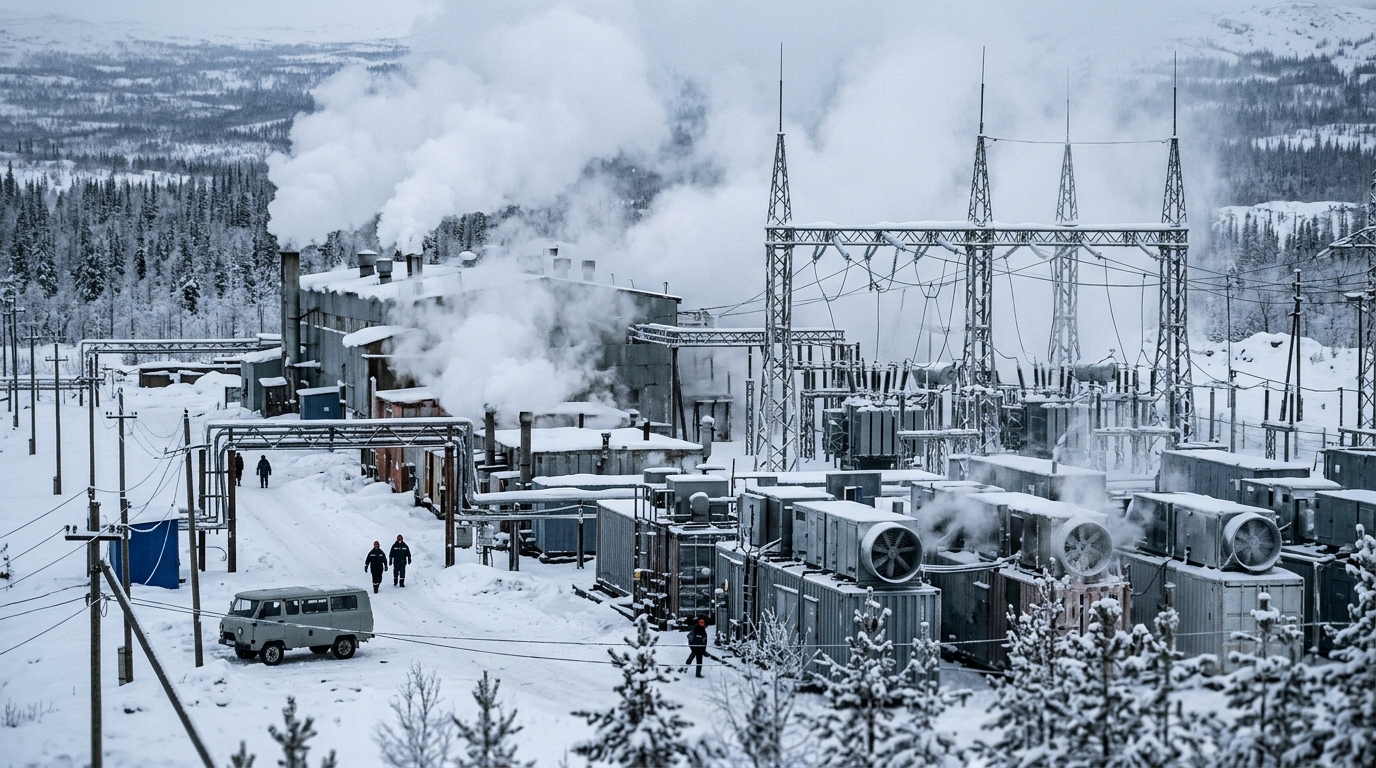
Russian financial planners and energy officials continue to view industrial Bitcoin mining not merely as a speculative asset class, but as an essential mechanism for domestic energy monetization. With global crypto market capitalization resting at $2.59 trillion and Bitcoin trading near $75,728, large-scale mining operations in energy-abundant regions offer a domestic outlet for stranded electricity. This strategy aims to capture value locally while building liquid reserves, even as broader market volatility pressures profit margins across the sector.
Cross-Border Settlement Frameworks Under Sanctions Pressure
Persistent sanctions from Western jurisdictions have severely constrained traditional banking channels, forcing Russian trade policy toward alternative financial rails. Emerging policy discussions focus on regulated, state-supervised experimental legal regimes (ELRs) for cross-border transactions using digital assets. By channeling export-import clearing through crypto channels, authorities hope to mitigate international payment friction and reduce reliance on Western clearing networks.
Grid Constraints and Regional Power Limits
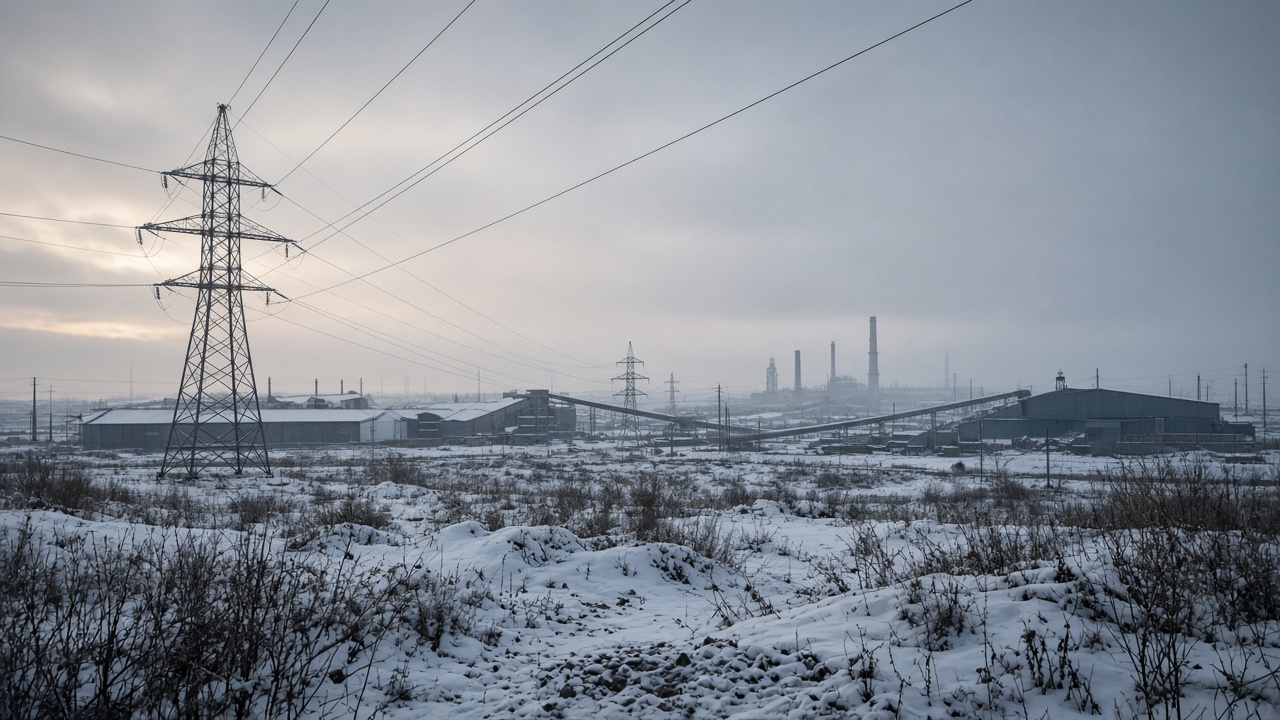
Despite the strategic push for digital asset infrastructure, domestic challenges persist. Regional power grids in eastern Siberia and northern provinces face seasonal strain due to the high energy intensity of industrial mining facilities. Policy discussions have increasingly focused on structural curbs, seasonal mining bans, and differentiated electricity tariffs to ensure local grid stability during peak consumption periods without stifling the broader mining economy.
Macro Volatility and Monetary Control Tensions
Russian monetary authorities remain cautious regarding private cryptocurrency adoption within domestic retail markets. Central bank officials consistently draw a sharp distinction between sanctioned foreign trade clearing and domestic payments. While Bitcoin dominance stands at 58.50% globally, domestic regulators prefer tightly controlled perimeter access for institutional players rather than permissive consumer-facing crypto integration, aiming to safeguard capital controls and monetary sovereignty.
Market Outlook and Structural Implications
The convergence of energy management, trade policy, and digital asset infrastructure highlights Russia's pragmatic, state-directed approach to crypto assets. While international liquidity constraints and energy grid bottlenecks present ongoing operational hurdles, the deliberate integration of industrial mining into national energy policy underlines how state actors are adapting to prolonged financial isolation.