Russia’s evolving posture toward digital assets sits at a critical nexus of energy management, fiscal governance, and foreign trade policy. As structural Western sanctions continue to restrict access to traditional correspondent banking networks and Western-dominated clearing systems, Moscow’s policy apparatus has increasingly shifted from outright skepticism to a pragmatic institutional framework. This strategy seeks to harness Russia's vast energy reserves for industrial crypto mining while carefully managing cross-border trade friction under tightly monitored legal frameworks.
For global crypto markets, this dynamic underscores how state-level incentives interact with decentralized networks. While macro headwinds have driven total global digital asset market capitalization down by 4.65% over the past 24 hours to approximately $2.58 trillion, the structural integration of mining infrastructure into national economic policy remains a key medium-term theme for asset supply dynamics and sovereign financial workflows.
The policy backdrop
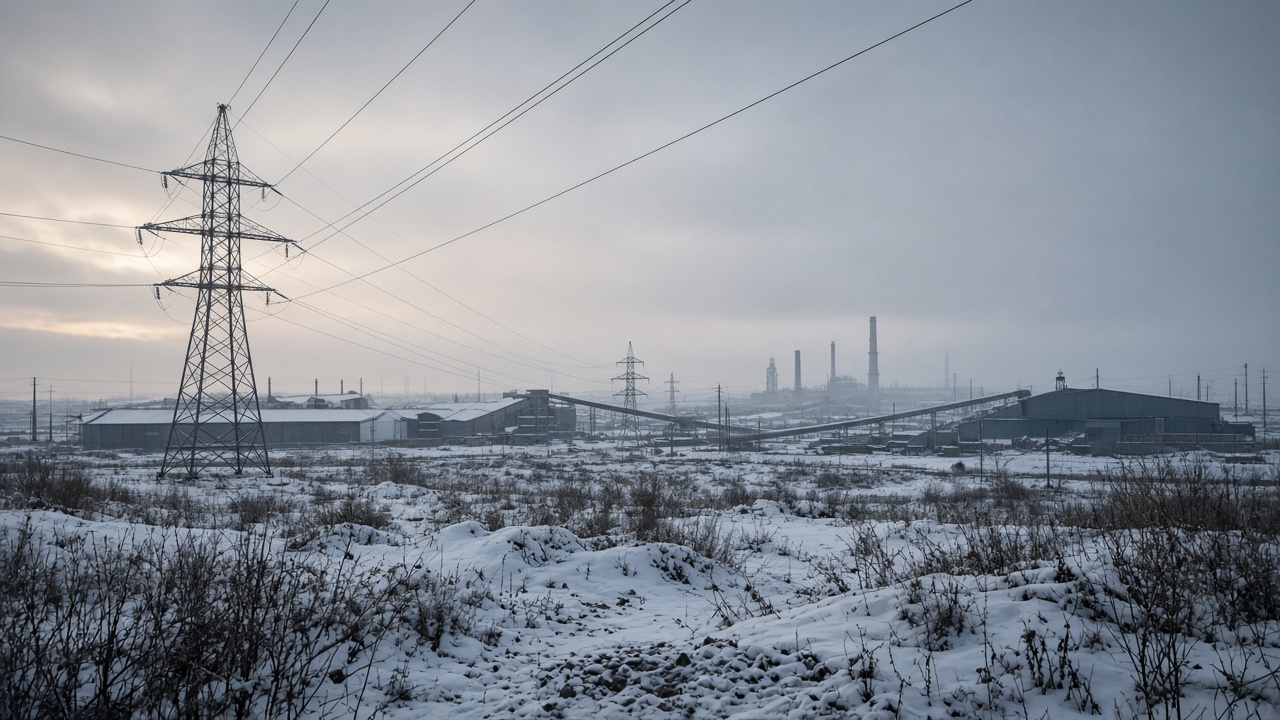
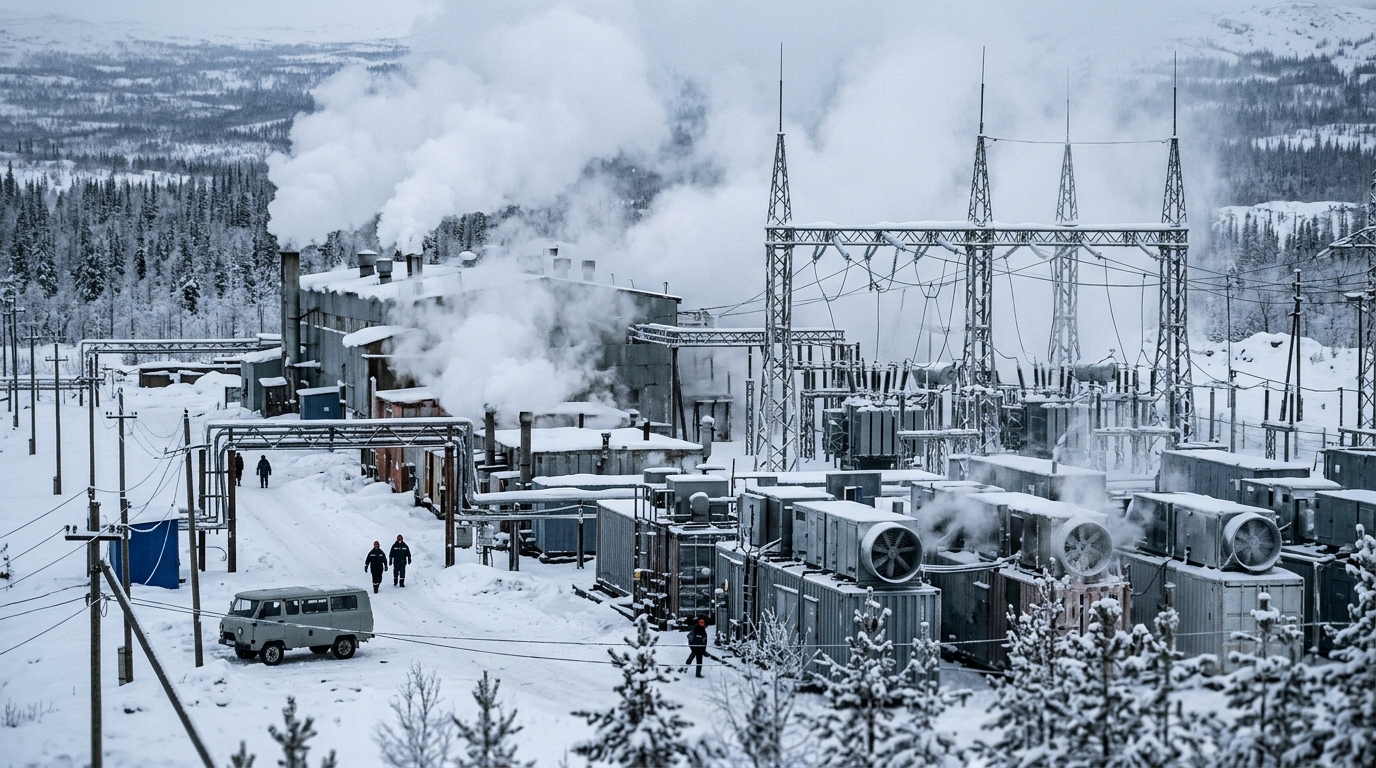
The core theme driving domestic policy in Russia is a balanced approach between industrial capacity and grid stability. Russia’s federal legislature and executive bodies have gradually established a regulatory framework for large-scale mining activities. Rather than treating cryptocurrency creation as a speculative retail pastime, federal authorities view industrial mining as an energy-monetization tool and a potential taxable revenue generator. Regions like Irkutsk and broader Eastern Siberia, endowed with abundant hydroelectric capacity, have historically served as primary centers for industrial hash rate generation.
However, power allocation concerns have triggered policy refinements. Federal ministries and regional energy managers have implemented mechanism guidelines to prevent grid strain during peak heating seasons. The resulting regime requires formal registration for commercial operators, strict grid connectivity audits, and designated operational bans in energy-deficit zones. Concurrently, the Ministry of Finance and the Central Bank of Russia have advanced legislation enabling an Experimental Legal Regime (EPR). This mechanism allows authorized corporate entities and state-backed clearing gateways to test digital currencies and tokenized assets specifically for international trade settlements, bypassing traditional SWIFT pathways while strictly keeping cryptocurrency out of domestic retail circulation.
How it touches crypto
The intersection of sovereign energy policy and digital infrastructure manifests across several market channels:
- Liquidity Generation: Industrial Bitcoin mining inside Russia creates locally mined supply that does not rely on foreign foreign exchange rails. This supply offers domestic exporters a non-fiat asset base for potential settlement clearing within approved channels.
- Regulatory Risk and Compliance: Western compliance desks and international monitoring bodies maintain elevated scrutiny over foreign exchanges, OTC desks, and custodial intermediaries that touch liquidity linked to regional entities. This creates a fragmented global liquidity pool where regional coins face specific provenance checks.
- Network Hash Rate Distribution: As energy quotas and legal registration rules take full effect, institutional miners face clearer cost bases. While this boosts operational permanence for compliant firms, seasonal energy cutbacks in targeted provinces intermittently impact global mining hash rate consistency.
- Settlement Narratives vs. Reality: Despite intense public discussion around digital currencies replacing fiat foreign trade rails, actual implementation remains constrained by liquidity depth, volatility risks, and counterparty acceptance in partner countries.
Market read-through
In broader market trends, global crypto valuations exhibit broader risk-off dynamics. Bitcoin (BTC) is trading around $75,455, marking a 1.73% decline over the last 24 hours, while maintaining a dominant 58.51% share of total market capitalization. Bitcoin remains the foundational asset for regional energy-backed mining infrastructure due to its unparalleled network liquidity and standardized proof-of-work consensus.
Ethereum (ETH), trading near $2,388.50 with an 11.24% dominance share, shows a 3.37% daily drop, reflecting a market environment where smart-contract platforms remain somewhat distinct from sovereign, energy-centric settlement schemes. Meanwhile, fiat-pegged stablecoins like Tether (USDT), holding a market valuation of $183.3 billion, continue to serve as the preferred informal bridge currency across emerging market trade corridors, even as official domestic policies emphasize proprietary or sovereign-controlled digital clearing channels.
What to watch
- Energy Quotas and Regional Bans: The implementation and enforcement of seasonal power cutbacks for industrial miners across Siberian energy zones during peak demand windows.
- Experimental Legal Regime Progress: Operational announcements regarding the scope, transaction limits, and institutional participants admitted into the official cross-border crypto settlement tests.
- International Compliance Actions: Regulatory updates or secondary sanctions frameworks published by Western treasury authorities targeting non-aligned regional intermediaries and settlement gateways.
- Hash Rate Concentration: Changes in global pool distribution and mining difficulty metrics stemming from shift adjustments in regional industrial output.
Russia’s strategic balancing act between energy preservation, legal containment, and cross-border liquidity highlights how national economic priorities are actively reshaping the global crypto policy environment. This briefing is provided for informational and analytical purposes only and does not constitute financial or investment advice.