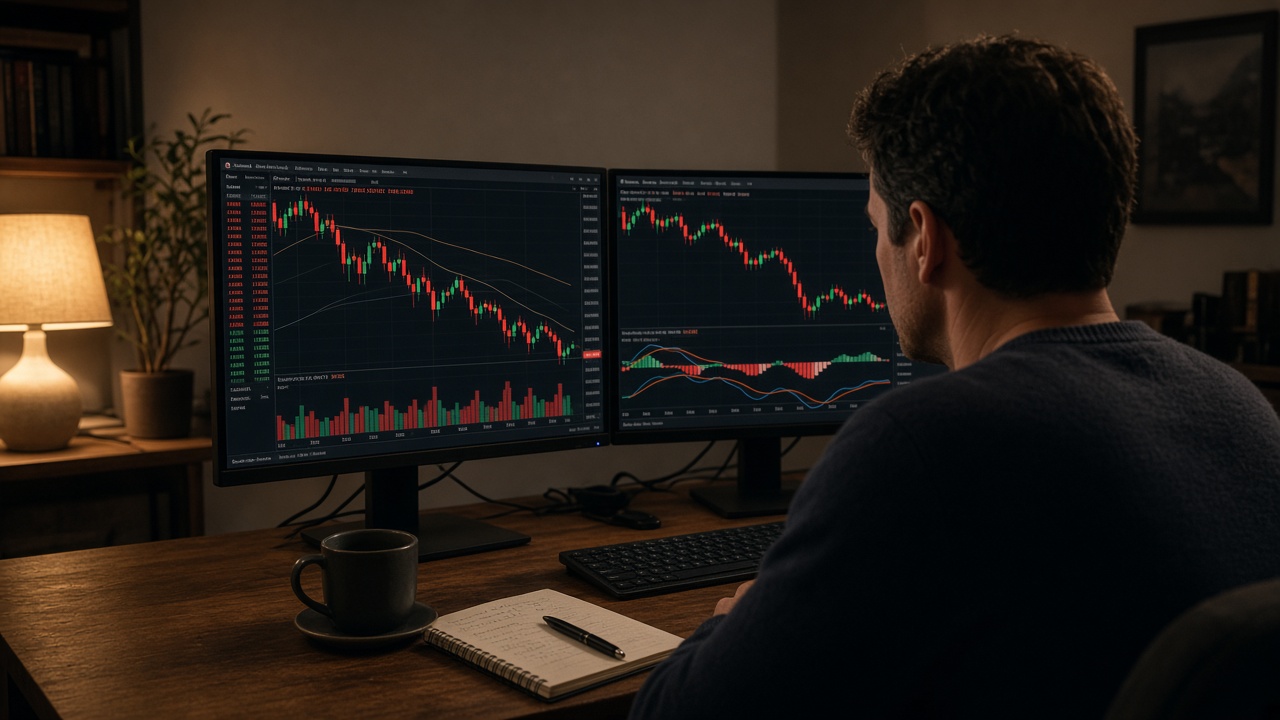

Navigating digital asset markets can be psychologically exhausting, especially during periods of sudden market swings. For retail participants looking to build long-term familiarity with digital assets, the constant friction between disciplined accumulation and the urge to chase rapid upward price movements—often referred to as chasing pumps—presents a major behavioral challenge. Establishing a systematic methodology like dollar-cost averaging (DCA) offers a structural defense against impulsive decision-making, helping individuals stay consistent while minimizing costly overtrading.
The practical idea
Dollar-cost averaging is a straightforward accumulation strategy where an individual allocates a fixed dollar amount into a target asset at regular, predetermined intervals—such as weekly or monthly—regardless of current unit prices. When prices decline, the fixed allocation purchases more units; when prices rise, the same allocation purchases fewer units. Over extended periods, this approach smooths out the purchase price basis and eliminates the need to predict short-term market peaks or troughs.
In contrast, chasing market pumps involves buying assets after significant price surges driven by sudden momentum or market excitement. This emotional response is typically fueled by fear of missing out (FOMO). Chasing rapidly appreciating assets exposes market participants to heightened drawdowns, as assets undergoing sharp parabolic moves frequently experience rapid pullbacks. By shifting focus from reactive market timing to scheduled contributions, individuals can substitute speculative impulse with structured capital allocation.
How to apply it carefully
Implementing a disciplined accumulation strategy requires planning and operational guardrails to prevent emotional overrides during volatile periods. Consider the following structural guidelines:
- Establish a fixed personal budget: Allocate only discretionary capital that will not compromise living expenses or short-term liquidity needs. Your recurring allocation should remain comfortable regardless of broader market fluctuations.
- Automate allocations to remove emotion: Utilizing automated recurring purchase orders on reputable platforms reduces the temptation to second-guess trades based on daily headlines or chart patterns.
- Maintain a long-term horizon: Frame the strategy around extended timeframes rather than daily balance fluctuations. Evaluating performance over monthly or annual periods reduces anxiety during short-term downturns.
- Account for transaction fees: High trading frequency or small recurring orders can lead to disproportionately high network and exchange fees. Select low-fee options or adjust execution intervals (e.g., bi-weekly instead of daily) to protect efficiency.
- Prioritize custody hygiene: Routinely review custody practices and transfer accumulated balances to secure self-custodial wallets when balances cross comfortable operational thresholds.
Common mistakes
Even structured approaches can falter if core discipline is compromised. Recognizing common behavioral traps helps maintain long-term consistency:
Deviating during sudden market drops: Pausing scheduled contributions when prices decline undermines the core benefit of dollar-cost averaging, which relies on acquiring assets at lower valuations to balance higher-priced purchases.
Overallocating during upward momentum: Manually increasing purchase amounts simply because an asset is trending upward breaks schedule discipline and increases exposure right at potential localized market peaks.
Ignoring fee structures: Executing microscopic daily buys without calculating fixed transaction fees can significantly erode net account value over time.
Overtrading in search of fast gains: Abandoning a DCA plan to trade volatile high-momentum tokens frequently leads to compounding losses, execution errors, and tax complexity.
What to watch
Market context plays an important role in how accumulation strategies feel in practice. Currently, the total cryptocurrency market cap sits near $2.58 trillion, having declined approximately 4.69% over the past 24 hours. Bitcoin maintains a market dominance of roughly 58.49%, trading near $75,431. In pullbacks like these, broad market sentiment can quickly pivot toward caution, causing temporary anxiety for participants who recently initiated positions.
During periods of elevated dominance and market pullbacks, smaller, speculative tokens often experience larger drawdowns than primary network assets. Observing macro liquidity shifts and market dominance without feeling pressured to react provides valuable context. A robust dollar-cost averaging plan is specifically designed to navigate multi-month pullbacks and momentum shifts without requiring daily portfolio rebalancing or manual trade adjustments.
Staying consistent in digital asset markets relies far more on self-control, sound budgeting, and clear risk parameters than on timing daily price fluctuations.
Disclaimer: This material is strictly educational and does not constitute financial, investment, legal, or tax advice. Past market performance is no guarantee of future results, and digital assets carry significant volatility and loss risks.